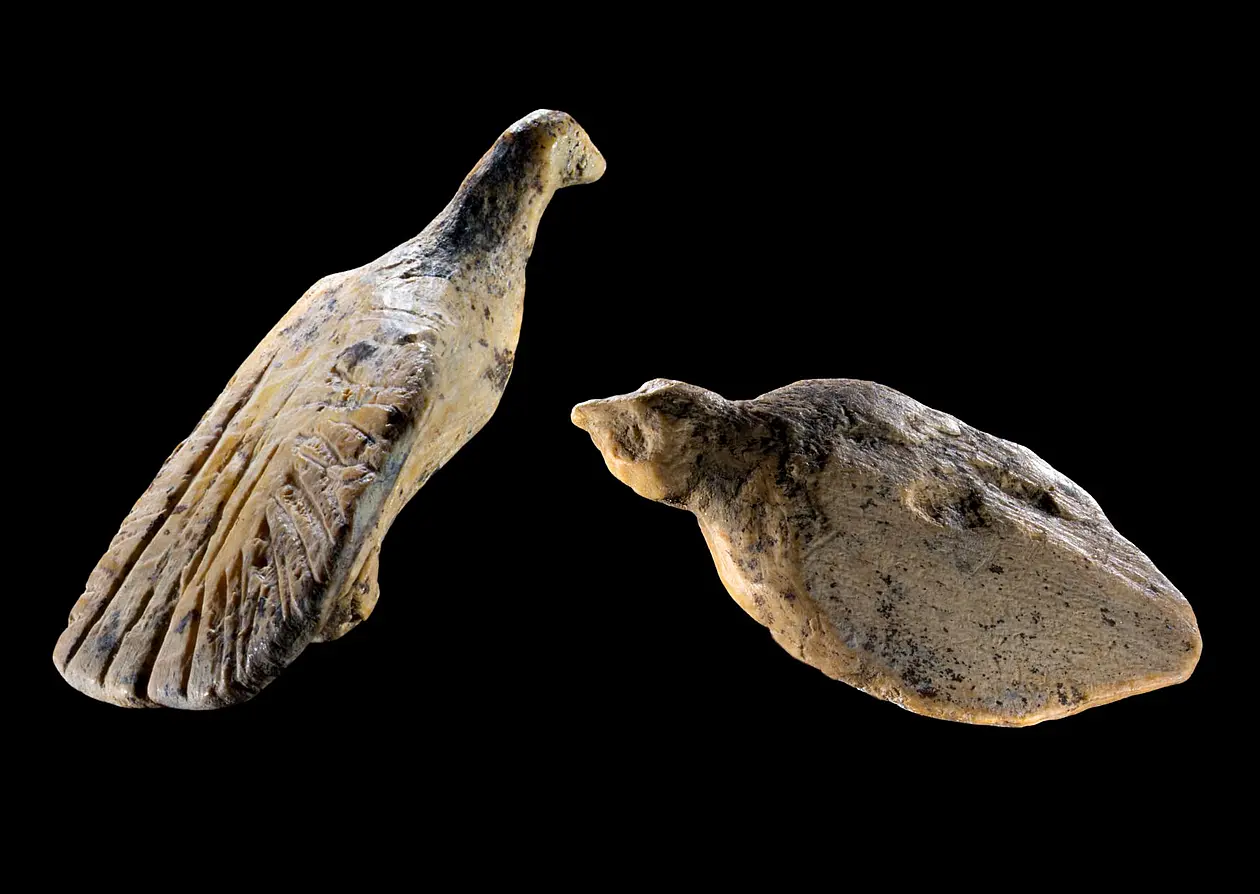
Archaeologists excavating one of Germany’s most important prehistoric caves have discovered two miniature birds carved from mammoth ivory approximately 40,000 years ago.
The figurines, recovered from Hohle Fels Cave in the Swabian Jura, are barely larger than a human thumbnail. Yet their makers captured details including rounded eyes, feathers, a prominent beak and distinctive body postures.
Researchers from the University of Tübingen presented the sculptures as the cave’s “Find of the Year,” describing them as rare new examples of the artistic skill developed by some of Europe’s earliest modern humans.
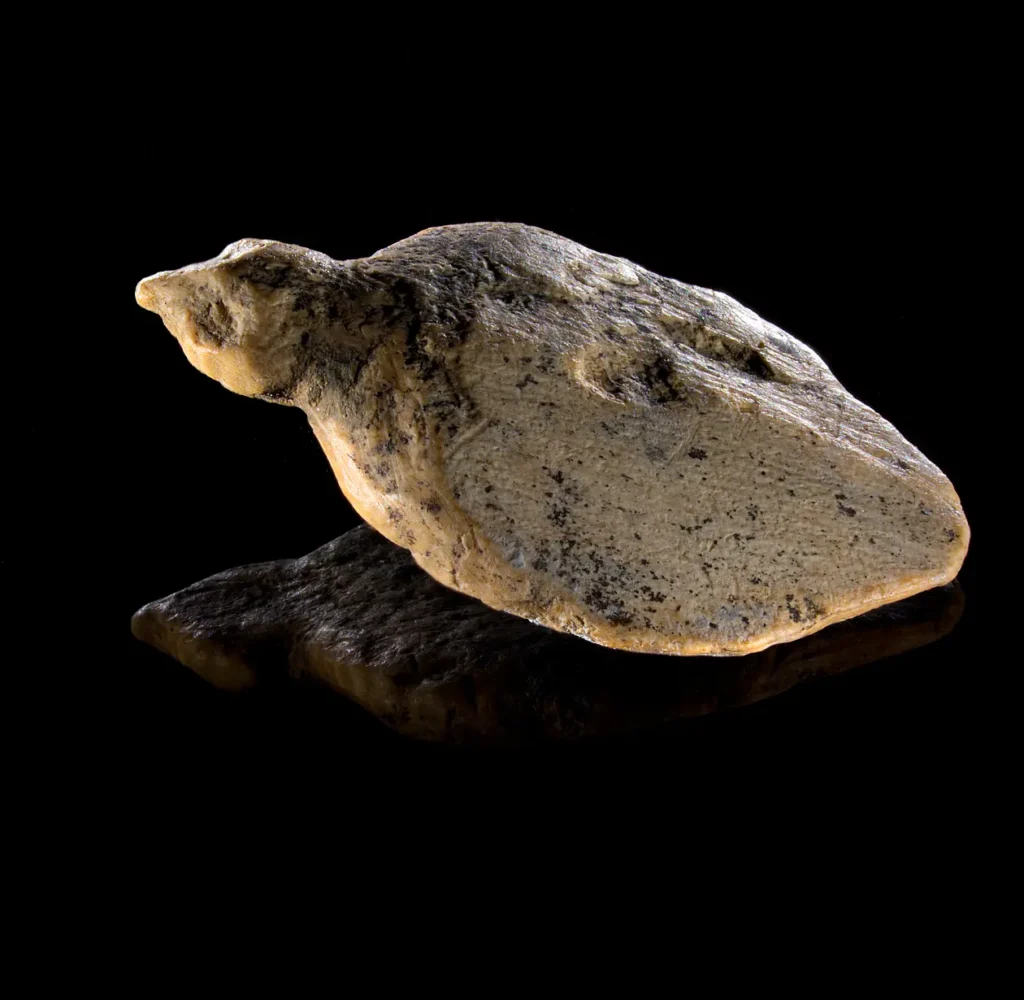
One figurine appears to show a resting or brooding bird. The second depicts a bird with its wings spread wide, although part of its left wing is missing.
The Smallest Ice Age Sculpture Found in the Region
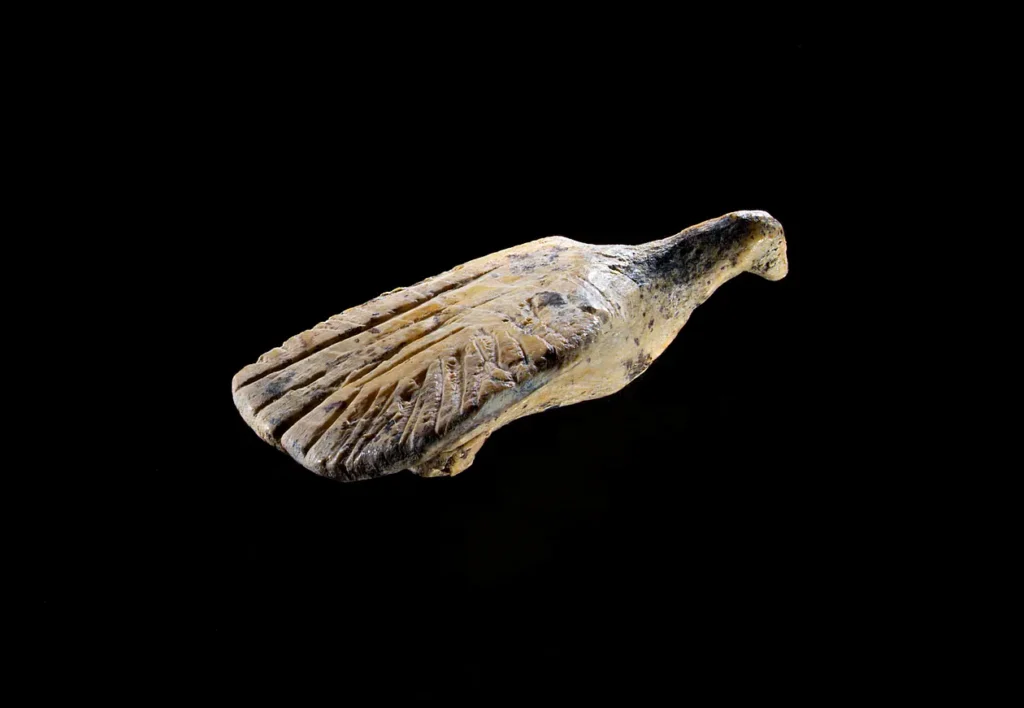
The winged bird measures only two centimeters long, one centimeter wide, and half a centimeter high. It is the smallest Ice Age artwork yet identified among the caves included in the UNESCO World Heritage region.
The two figures are also remarkably light, weighing approximately 1.3 grams and 0.7 grams.
Despite their size, neither carving appears crude or unfinished. Parallel incisions on the outstretched wings seem to represent feathers, while the resting bird was given clearly defined circular eyes.
“These are not simply reduced forms of bird bodies,” said Professor Nicholas Conard, who leads the archaeological research at Hohle Fels. According to Conard, the carvings reflect close observation of real animals and are detailed enough for researchers to debate which species and behaviors they represent.
Both figures came from lower Aurignacian layers dated to around 40,000 years ago. They were found approximately 1.5 meters apart in the same archaeological layer, making it impossible to determine whether they were created by one artist or by people living in different generations.
Birds Captured Resting, Flying or Displaying
Unlike many Ice Age animal figurines shown in fixed poses, the two birds appear to have been carved while performing recognizable actions.
The resting bird has a low, rounded body, tucked legs and a head drawn close to its torso. Archaeologists believe it may depict a bird sitting on a nest.
The second has widely extended wings and a long neck. It could represent a bird flying, landing on water, threatening a rival or performing a courtship display.
The species remains uncertain. Ptarmigan is one possibility because its bones are frequently found in archaeological deposits across the region. Researchers are also considering capercaillie, other game birds and certain birds of prey.
A Cave Associated with the Birth of Art and Music
Hohle Fels lies in the Ach Valley near Schelklingen in Baden-Württemberg. Formed within Jurassic limestone, the cave rises about seven meters above the modern floodplain and contains archaeological layers associated with both Neanderthals and early modern humans.
It is one of six caves included in the UNESCO World Heritage Site known as the “Caves and Ice Age Art in the Swabian Jura.” These caves have produced figurative sculptures, personal ornaments, and some of the world’s oldest known musical instruments, primarily dating between 43,000 and 33,000 years ago.
Hohle Fels is particularly famous for the approximately 40,000-year-old female figurine commonly known as the Venus of Hohle Fels, as well as ancient flutes and sculptures carved from mammoth ivory.
A mammoth-ivory waterbird was also discovered in the cave about 25 years ago. With the latest finds, Hohle Fels has now produced three bird figurines. None of the other major Ice Age art sites in the UNESCO region has yielded a comparable group of bird carvings.
Researchers believe this concentration may represent a local artistic tradition. Ivory-working communities occupying different caves may have favored particular animals, giving each site its own visual identity.
Whether the tiny birds were personal talismans, group symbols or objects connected with stories and rituals remains unknown.
The figurines will be exhibited at the Museum of Prehistory and Ice Age Art in Blaubeuren until April 4, 2027.