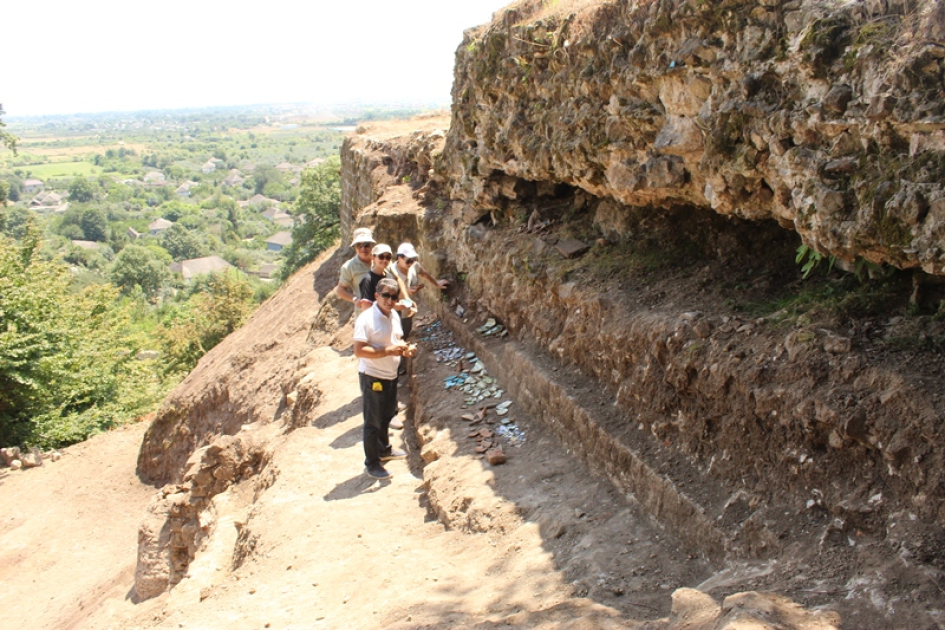
Archaeologists excavating Alisha Fortress in southeastern Azerbaijan have uncovered sections of a medieval defensive complex, an advanced water-supply system and a domed building constructed from fired bricks.
The discoveries were made in the Astara district by researchers from the Institute of Archaeology and Anthropology of the Azerbaijan National Academy of Sciences. According to the excavation team, the structures date mainly from the late 12th to the early 14th century, when Alisha Fortress developed into an important regional center of Seljuk-Islamic culture.
Medieval Defenses Emerge at Alisha Fortress
Among the newly exposed remains are sections of the fortress’s defensive architecture. Archaeologists are tracing the walls to establish the original boundaries and internal arrangement of the stronghold.
The scale of the structures suggests that Alisha was not merely a small observation post. Its fortifications, residential areas and water infrastructure point to a permanently occupied settlement capable of supporting a substantial community.
The fortress stands near Alasha village in the mountainous landscape of the Astara region, close to the present-day Hirkan area. Its elevated position would have allowed its inhabitants to watch routes connecting the Caspian lowlands with the interior.
A Fortress Built Around Water
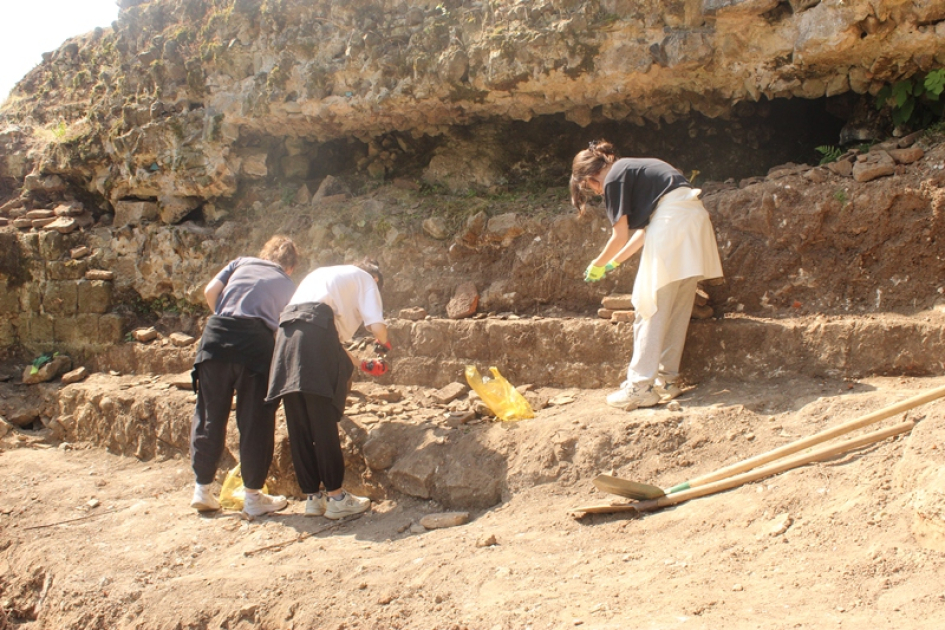
One of the most important discoveries is a water-management system consisting of reservoirs, basins and ceramic pipes. These installations carried and stored water within the fortified complex.
Reliable access to water was essential for any medieval fortress, particularly during periods of conflict or siege. The newly discovered network indicates that Alisha’s builders carefully planned the settlement’s internal infrastructure rather than relying solely on nearby natural sources.
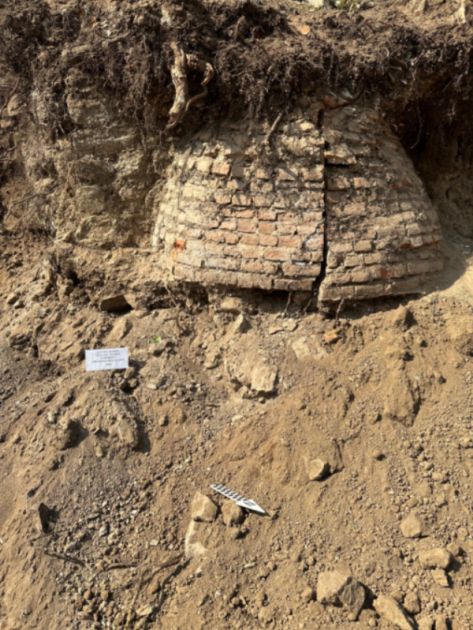
Archaeologists also uncovered a domed structure made from fired bricks. Its original purpose has not yet been established, but the use of brick vaulting points to considerable architectural expertise. Researchers will examine its relationship with the water installations and surrounding rooms to determine whether it had a residential, administrative or ceremonial function.
Earlier Excavations Revealed Seljuk-Era Life
Systematic archaeological work at Alisha Fortress began in 2023. Earlier seasons exposed rooms, paved surfaces, water channels and different phases of defensive walls.
Excavations conducted across approximately 500 square meters also produced glazed and unglazed pottery, roof tiles and ceramic vessels decorated with geometric and miniature-style designs. Most of these finds were dated to between the 12th and 14th centuries.
A handmade clay vessel discovered at the site carried nine stamped designs, including circles, diamonds, stars and linear patterns. The motifs were linked to decorative traditions widespread during the Seljuk period.
Silver coins recovered from the fortress provide further evidence of economic activity and connections with the wider medieval world. Together, the artifacts indicate that craftspeople, soldiers, and other residents lived within the fortified settlement.
Traces of a Much Older Occupation
Alisha’s history may extend far beyond the Middle Ages. Previous excavations uncovered an unusual stone water basin shaped like a four-petaled flower or lotus.
The basin, supplied by stone channels and surrounded by paved surfaces, was provisionally dated between the 1st century BCE and the 3rd century CE. Archaeologists have suggested that it may have served a public or ritual purpose.
This earlier structure indicates that the hill was occupied or visited centuries before the medieval fortress was constructed. Further excavation is required to determine whether the later builders reused elements of the ancient settlement.
Excavations Continue at Alisha Fortress
The latest discoveries are helping researchers reconstruct how Alisha Fortress functioned during its medieval peak. Its defensive walls protected the site, while its reservoirs and clay pipelines provided water for everyday life and emergencies.
Excavations will continue around the domed building and water system. Archaeologists hope that additional rooms, entrances, and artifacts will reveal more about the people who controlled this strategically located fortress between the Caspian coast and the mountains of southern Azerbaijan.