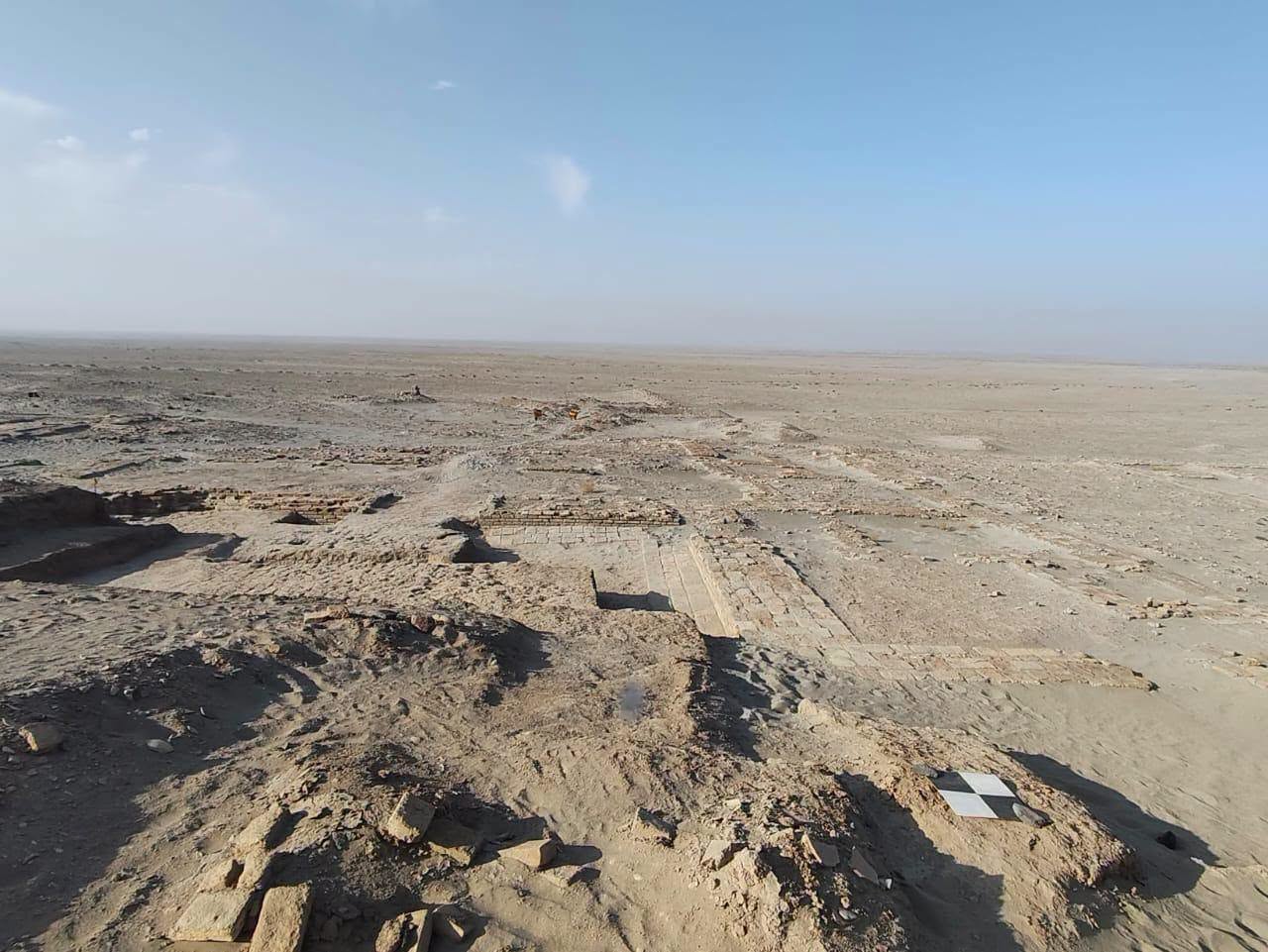
Nearly 3,800 years ago, people living in one of Mesopotamia’s most powerful kingdoms crossed a broad waterway using a bridge built from baked bricks. In the ancient city of Larsa, in what is now southern Iraq, archaeologists are gradually exposing the remains of that crossing. The structure offers a tangible connection to a time when canals shaped everyday life, supported agriculture, and helped cities flourish.
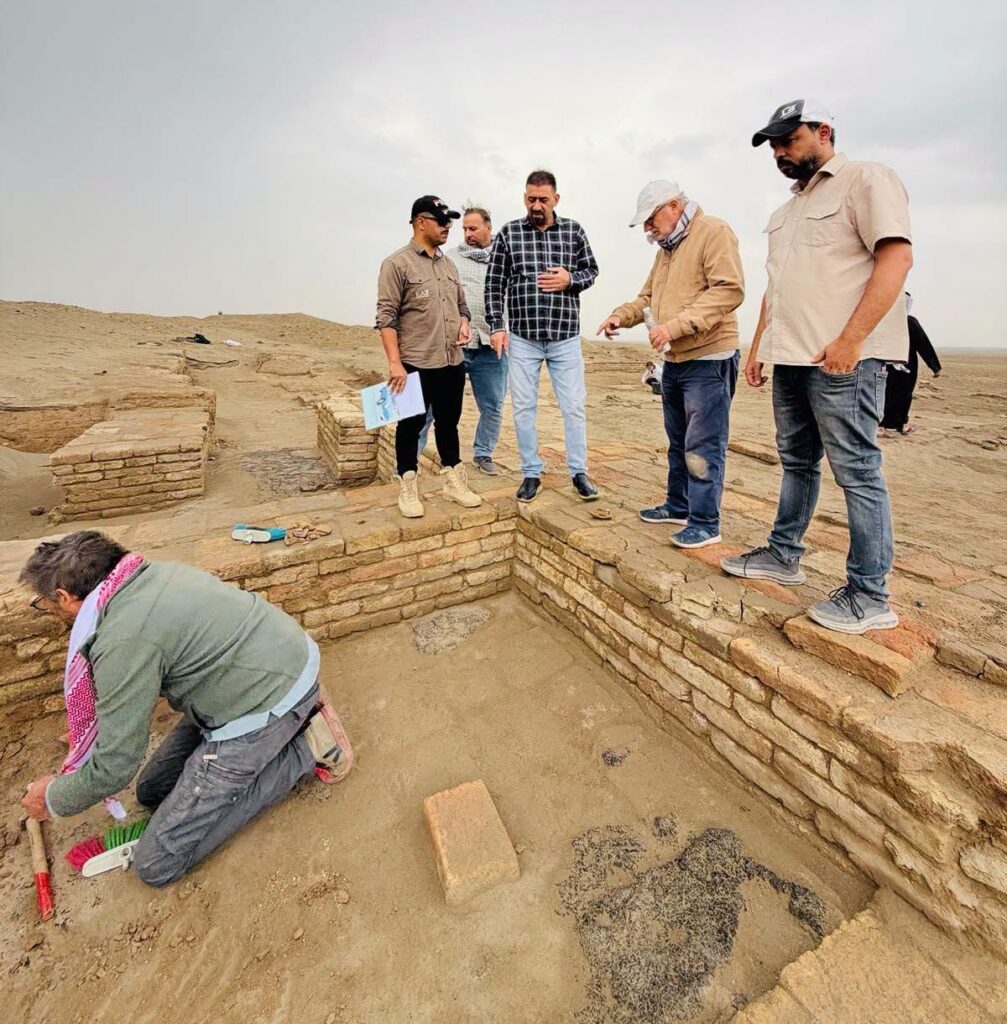
A joint French-Iraqi archaeological team is investigating the bridge across Larsa’s Grand Canal in Dhi Qar province. In an announcement on November 10, 2026, Iraq’s State Board of Antiquities and Heritage highlighted the work conducted during the expedition’s eighth excavation season. Iraqi officials have reported that archaeologists have so far exposed approximately half of the structure.
A Bridge Linked to a Babylonian King
One of the most significant clues to the bridge’s history is a brick bearing the name of Sin-iddinam, a king who ruled Larsa from approximately 1849 to 1843 BC. Although his reign lasted only a few years, Sin-iddinam undertook ambitious building projects involving temples, fortifications, and waterways.
Royal inscriptions associated with the king describe canal construction and restoration, activities that played a crucial role in the political and economic life of ancient Mesopotamia. Maintaining these waterways meant securing agricultural production, supporting trade, and demonstrating a ruler’s ability to provide for the population.
French archaeologists identified the bridge in 2019 and began excavating it in 2021. According to research published by the Académie des Inscriptions et Belles-Lettres, the inscribed brick came from the bridge’s eastern support. Researchers have also identified evidence of different construction phases, suggesting that the crossing underwent modifications or repairs over time.
The Waterways That Sustained Larsa
During the Old Babylonian period, Larsa ranked among southern Mesopotamia’s major political and economic centers. Its prosperity depended heavily on a network of canals that carried water to agricultural fields and connected different parts of the city.
Earlier investigations by the French expedition documented approximately 5.4 kilometers of city walls and traced an extensive system of ancient waterways. Temples, substantial residences, and monumental buildings further demonstrate the scale and complexity of the settlement.
The bridge across the Grand Canal formed part of this interconnected urban landscape. Its surviving brickwork provides evidence of how the city’s inhabitants maintained routes across waterways that were essential to their economy.
Excavations are continuing, and important questions remain about the bridge’s original design, its successive construction phases, and how long it remained in use.