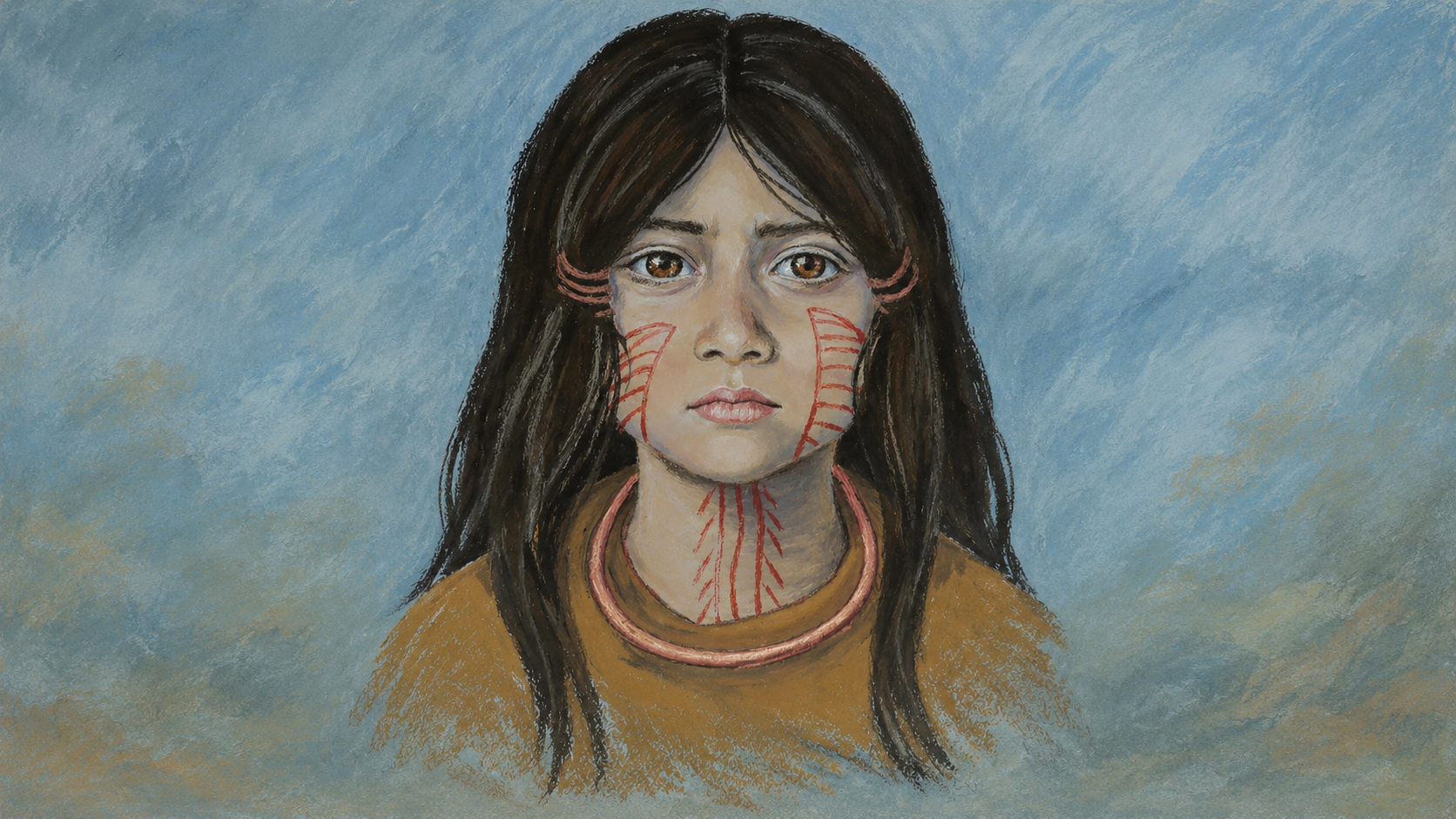
A copper necklace around a little girl’s neck, thousands of shell beads in a woman’s grave, and elaborate funerals for ambitious young men. Nearly 5,000 years ago, communities in Central Europe may have used burial ceremonies for far more than mourning. Funerals could also become occasions for families to display wealth, strengthen alliances, and compete for influence.
A new study of prehistoric graves in present-day Czechia suggests that these displays changed dramatically over several centuries. Published in the Journal of Neolithic Archaeology, the research examines how communities associated with the Corded Ware culture developed increasingly elaborate burial practices as their social relationships evolved.
When Funerals Became Displays of Status
Archaeologists Mikkel Nørtoft of the University of Copenhagen and Adam B. Rohrlach of the Max Planck Institute for Evolutionary Anthropology assembled information from 378 prehistoric graves in Bohemia and Moravia. Their main analyses included 317 burials with skeletal remains, dating to different phases of the third millennium BCE.
Rather than simply counting grave goods, the researchers examined their estimated manufacturing costs, material origins, prestige, and the effort required to prepare graves. They also considered food offerings and previously published genetic evidence.
Their findings suggest that early Corded Ware communities in Bohemia placed considerable importance on cooperation. As migrants established themselves in new territories, sharing resources, maintaining alliances, and preserving collective traditions may have helped communities survive.
Over time, however, some funerals became markedly more elaborate. Valuable ornaments, carefully prepared graves, and substantial offerings increasingly distinguished particular individuals and families.
The researchers propose that these ceremonies may have provided opportunities for ambitious families to demonstrate their influence, especially through communal feasting and the exchange of gifts.
A Little Girl with an Extraordinary Necklace
One particularly revealing burial comes from Čachovice in northwestern Czechia. Grave 41 contained a child, approximately six months to five years old and probably female, accompanied by an exceptionally uncommon copper neck ring.
The ornament raises an intriguing question: how could someone so young receive such a prestigious burial?
One possibility is that the child’s family already occupied an influential social position. The necklace may have communicated family standing rather than any status the child had personally achieved.
Elsewhere, at Vliněves, a girl aged approximately three to five was buried with 26 shell or mother-of-pearl beads and nine or ten dog or wolf teeth. These objects may have expressed prestige, a special identity, or protective beliefs.
Such burials suggest that children could participate symbolically in the social ambitions of their families, although researchers caution that elaborate funerals do not necessarily prove hereditary privilege.
Powerful Women and Competing Families
The evidence also challenges the idea that prehistoric prestige belonged exclusively to men. In Moravia, an exceptionally furnished woman’s grave at Marefy contained numerous ornaments, including large quantities of shell beads and animal teeth.
Other wealthy burials belonged to young men, some accompanied by weapons, copper objects, and substantial offerings. These differences suggest that communities expressed status through several forms of identity, including age, gender, and family connections.
Genetic evidence adds another dimension. In Bohemia, the range of paternal lineages narrowed over time, while burial wealth became more pronounced. The researchers suggest that competition between male descent groups may have contributed to these changes, although the available evidence cannot establish a direct link between genetic ancestry and individual wealth.
The study ultimately presents prehistoric society as neither uniformly egalitarian nor rigidly divided into inherited classes. Instead, communities appear to have negotiated prestige through changing relationships, rituals, and material displays.
The most striking possibility is that funerals helped shape the social order of the living. What families placed in a grave may have mattered as much to those who attended the ceremony as to the person buried beneath it.
Nørtoft, M., & Rohrlach, A. B. (2026). Cooperation and competition: Changes in wealth, power, and patrilines in the Czech Corded Ware culture. Journal of Neolithic Archaeology, 28, 215–263.