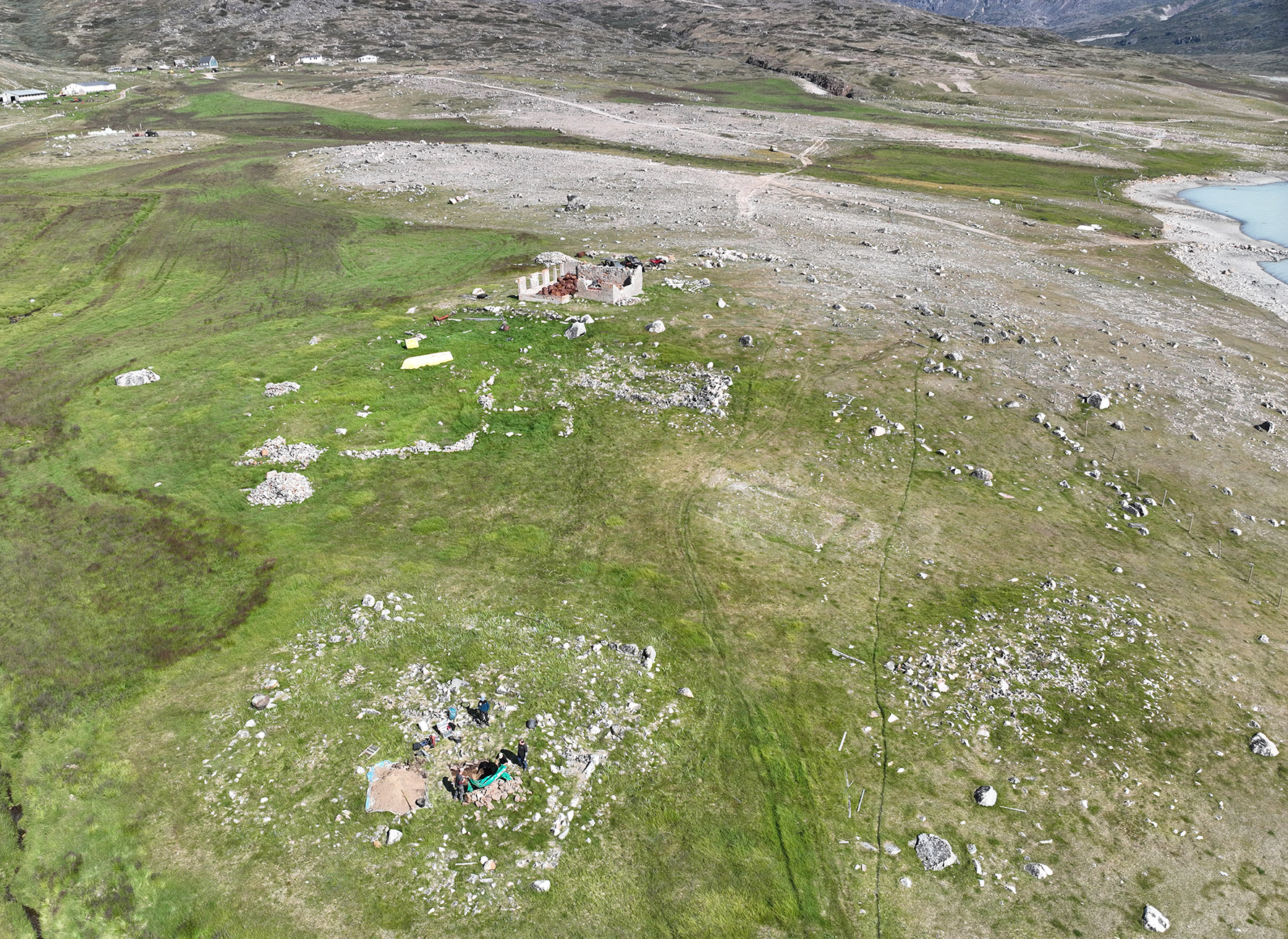
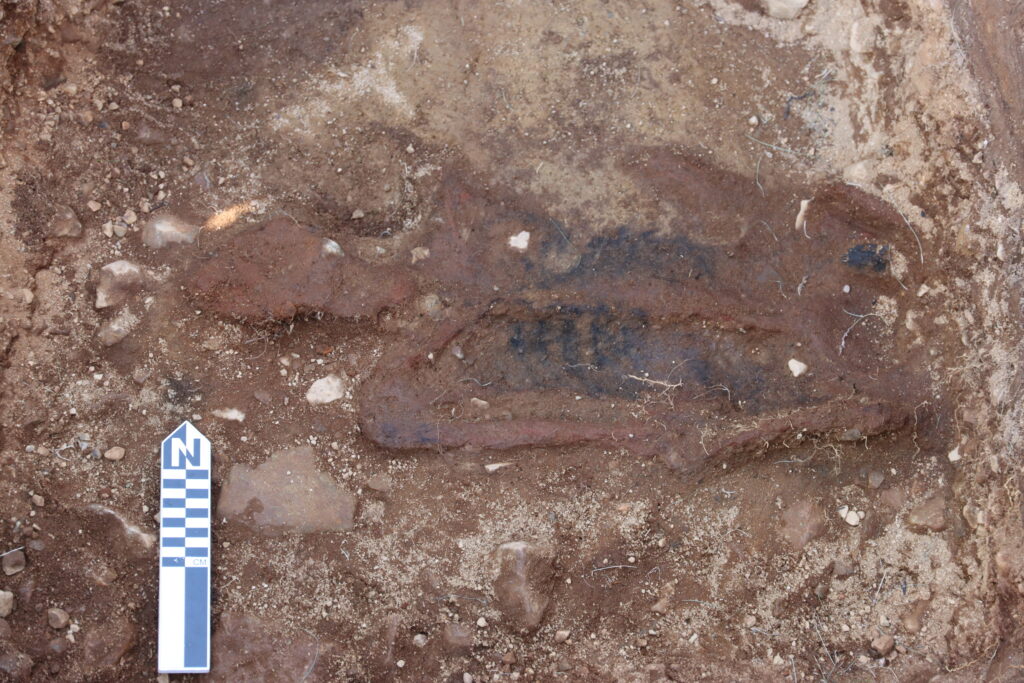
On the second-to-last day of an archaeological excavation in Greenland, researchers finally found what they had been searching for: a human skeleton. The discovery sparked celebrations among the team and settled a mystery that had remained unanswered for more than two decades.
The remains confirmed that a stone enclosure at Qinngua, near Narsarsuaq, concealed a medieval Norse church. Located close to Erik the Red’s former settlement, it is the first newly identified Norse church in Greenland in more than 60 years. But the discovery also raises an intriguing question: why were so many churches built in this remote corner of the Viking world?
A Grave That Changed Everything
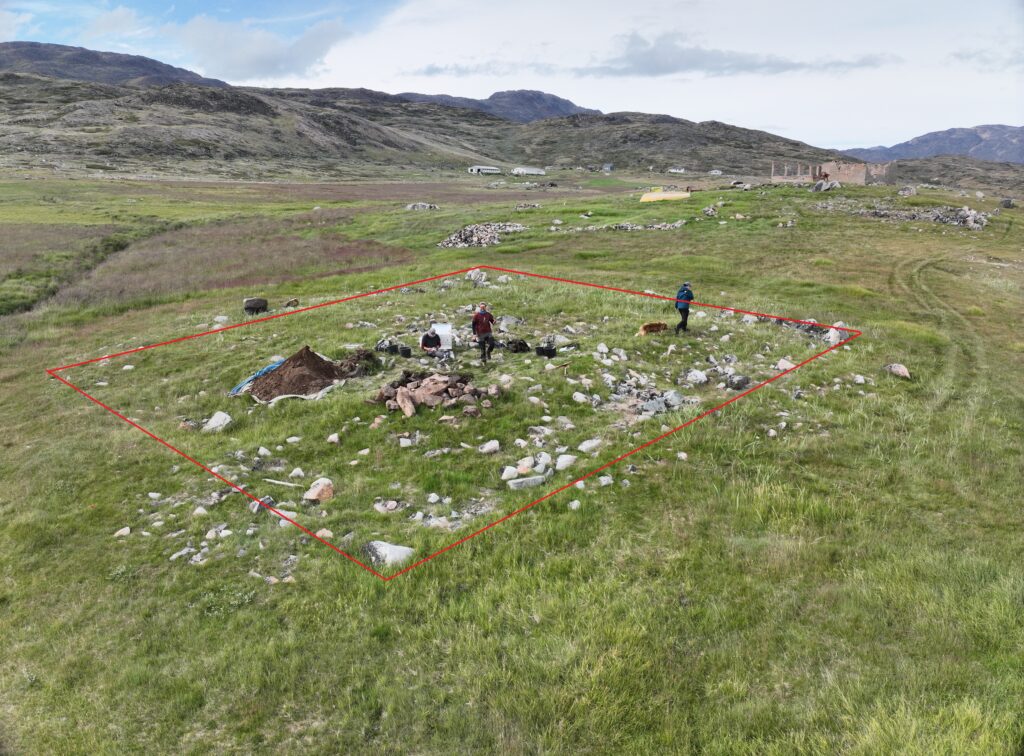
Archaeologists had suspected that the ruins represented a church since the National Museum of Denmark investigated the site in the 2000s. A rectangular stone wall surrounded a building, resembling the layout of other Norse religious sites. Yet researchers had never found a grave to confirm that the enclosure contained a Christian cemetery.
That changed in August 2026. The newly uncovered skeleton lay with its head toward the east, an orientation the excavation team associated with Christian burial customs. The grave provided the missing evidence, transforming a long-standing theory into a confirmed discovery.
Christian Edelfelt Koch Madsen, senior researcher at the National Museum of Denmark, described the find as the “smoking gun.” His team’s excitement was understandable: after years of uncertainty, the answer emerged just before the excavation ended.
Six Churches and a Possible Struggle for Power
The church stands near Brattahlíð, the principal settlement of Erik the Red, who established a Norse community in Greenland around the end of the 10th century. Archaeologists have now identified six churches in this relatively small area, but only three appear to have remained in use into the Middle Ages.
Why build so many?
Madsen believes church construction may have become a competition among powerful families eager to demonstrate wealth and status. A church was more than a place of worship; it could also represent local authority. Some families may eventually have abandoned their religious buildings as their influence declined.
The Qinngua church could have been part of this rivalry, although further research is needed. Its considerable size and worked stones suggest a date between AD 1100 and 1300, and it may have remained active longer than the earlier Viking-Age churches discovered in Greenland decades ago.
A Lost Church Hidden in Medieval Texts?
The ruins may also have a connection to a church mentioned in medieval accounts. Known as Kirkja undir Sólarfjöllum, or the Church under the Sunny Mountains, its recorded location appears to match the mountainous landscape surrounding Qinngua.
Researchers have not confirmed the identification, but the geographical clues could help them locate other religious buildings known only from written sources. Nearby ruins of two or three farms also suggest that the church may have served an emerging village-like community.
The discovery adds another piece to the history of Greenland’s Norse settlers, who established communities around AD 980 before their settlements disappeared during the 15th century. Researchers continue to investigate how environmental pressures, social changes, and other factors contributed to that disappearance.
One skeleton cannot solve that centuries-old mystery. Yet it has revealed a forgotten church and opened a new window onto the power struggles, religious life, and changing fortunes of the Norse communities that once called Greenland home.