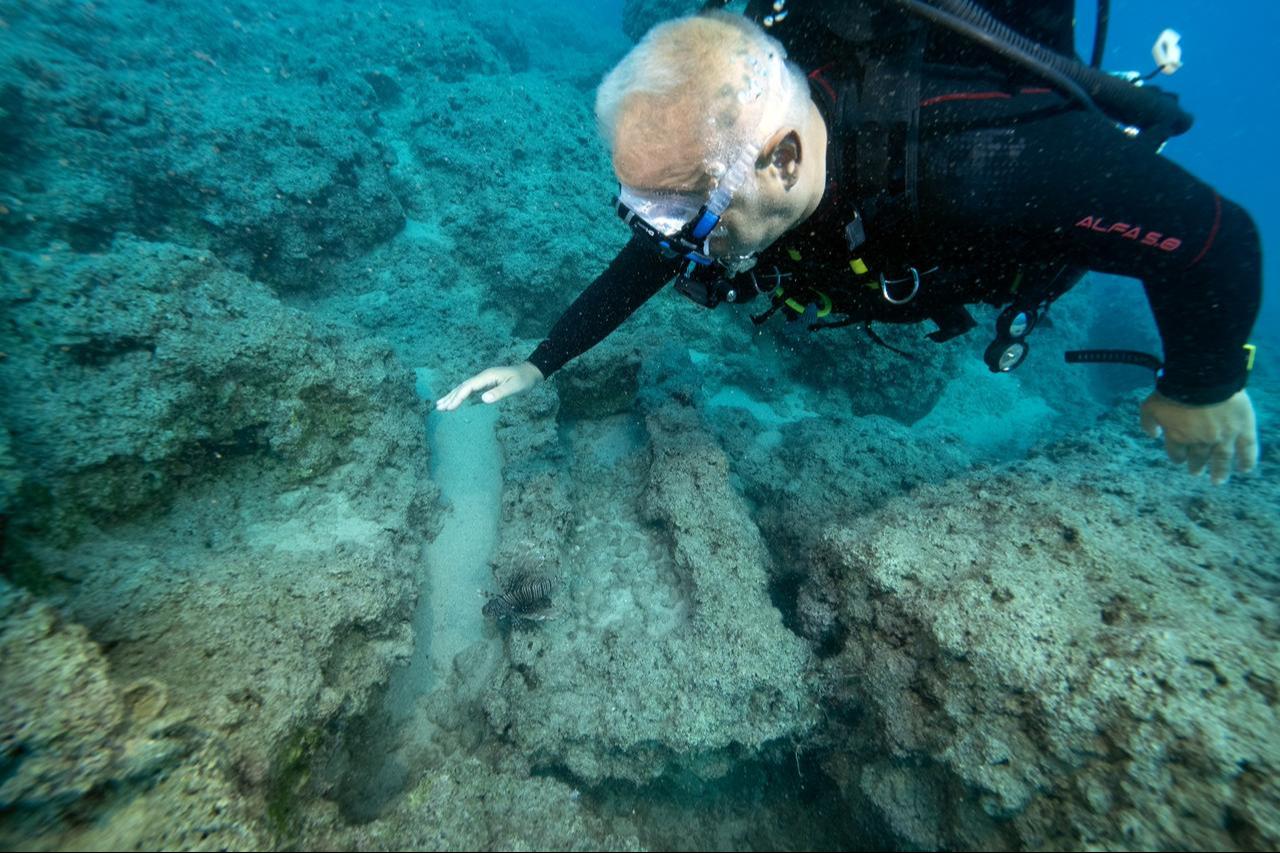
More than 430 shipwrecks have now been documented along Türkiye’s Mediterranean coast, revealing the extraordinary scale of an underwater archaeological landscape that spans thousands of years of trade, travel and cultural exchange.
From Bronze Age vessels carrying copper and tin to Roman ships loaded with fine tableware, the wrecks preserve evidence of maritime routes that once connected Anatolia with Cyprus, the Levant, Egypt and the wider Aegean world. Many of those connections were known from texts and objects found on land, but discoveries beneath the sea are providing something different: cargoes preserved close to where ancient voyages suddenly ended.
Hundreds of wrecks beneath one coastline
Underwater archaeologist Hakan Öniz of Akdeniz University said researchers have identified and documented more than 430 shipwrecks along Türkiye’s Mediterranean coast alone.
The figure reflects the importance of southern Anatolia within the ancient Mediterranean. Ships moving between the Aegean, Cyprus, the Levant and Egypt repeatedly passed these shores, carrying metals, ceramics, foodstuffs and luxury goods between major centers of production and consumption.
Türkiye has more than 8,300 kilometers of coastline bordering the Mediterranean, Aegean, Marmara and Black seas. Its geography placed Anatolia directly across maritime corridors that remained active through the Bronze Age, Classical period, Roman and Byzantine eras and into the medieval world.
Bronze Age cargoes reveal an interconnected world
Few discoveries illustrate those connections better than the Uluburun shipwreck, found near Kaş in 1982. Excavated over 11 seasons, the Late Bronze Age vessel carried around 10 tons of copper and one ton of tin alongside glass ingots, ebony, ivory and other valuable materials.
Its cargo became one of the clearest archaeological demonstrations of how interconnected the eastern Mediterranean had become more than 3,000 years ago.
Yet Uluburun may represent only part of a much older maritime tradition. Archaeologists are investigating other wreck sites along the Antalya coast that could predate it, including remains associated with Early Bronze Age seafaring and a roughly 3,600-year-old wreck carrying copper ingots believed to have originated in Cyprus.
Such discoveries are gradually pushing the history of organized maritime exchange further back.
From Roman tableware to lost harbors
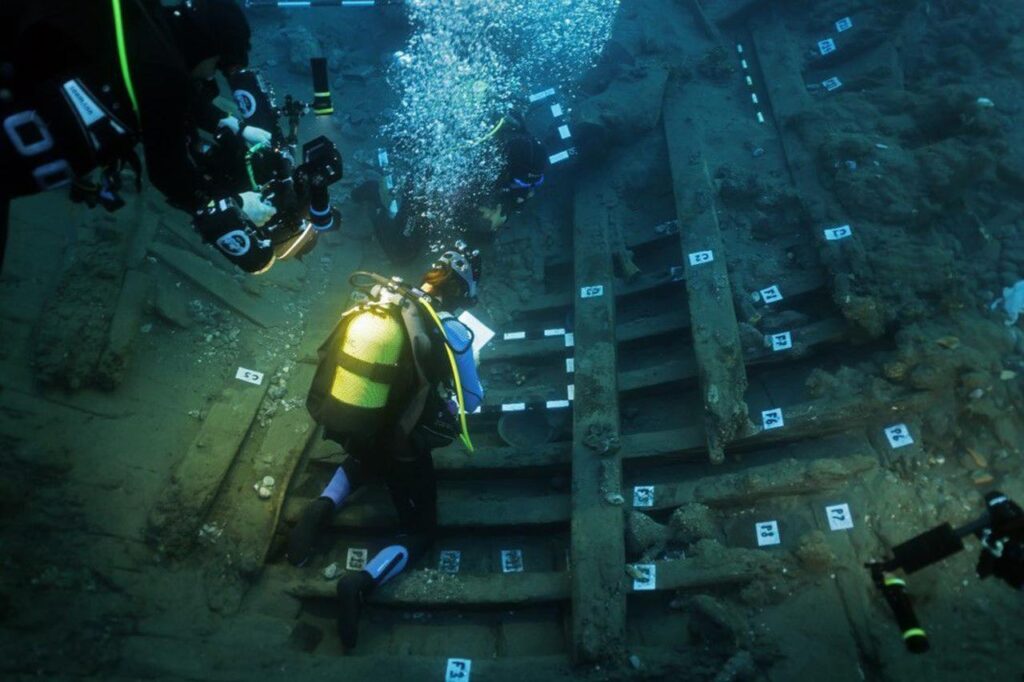
Other wrecks document how Mediterranean commerce changed over time. Off Adrasan, archaeologists have been excavating a vessel from the late Hellenistic or early Roman period whose cargo included hundreds of ceramic plates, bowls and trays.
The ceramics appear to have been carefully packed in raw clay for protection during transport, offering an unusual glimpse into the practical side of ancient shipping. Researchers have identified 122 different forms and sizes among the tableware recovered from the wreck.
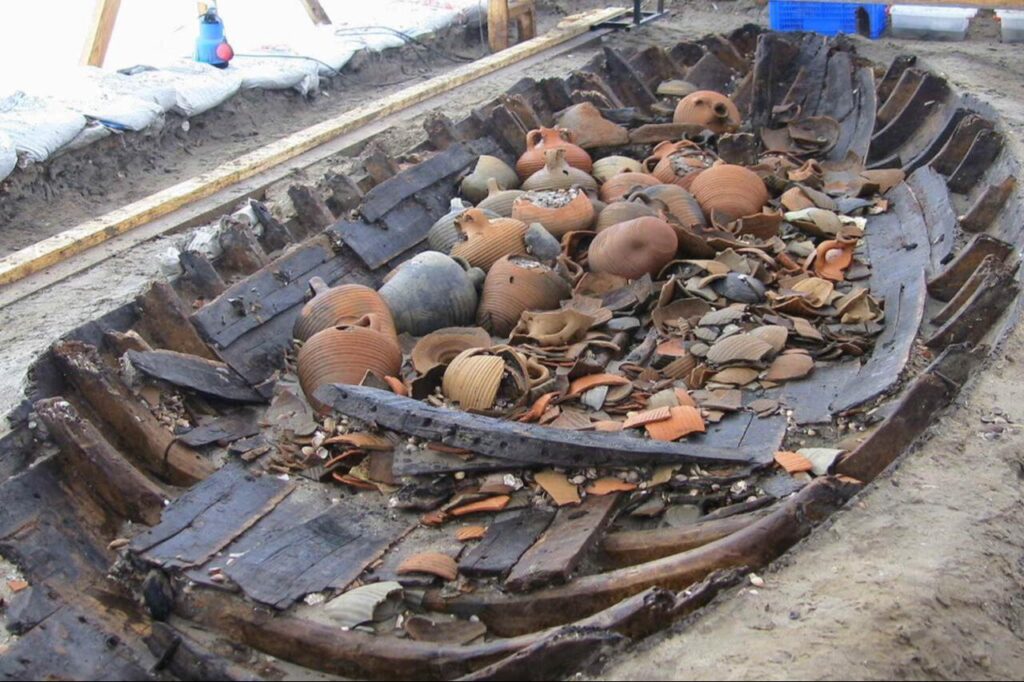
Farther north, one of Türkiye’s greatest maritime discoveries appeared beneath Istanbul rather than beneath open water. Excavations connected with the Marmaray rail project exposed the buried Byzantine harbor of Theodosius at Yenikapı, where archaeologists uncovered 37 shipwrecks dating between the fifth and 11th centuries.
Together, those vessels transformed knowledge of Byzantine shipbuilding and maritime life.
A coastline that helped create underwater archaeology
Türkiye’s waters also occupy an important place in the history of archaeology itself. The Cape Gelidonya wreck off Antalya, excavated by George Bass in 1960, is widely regarded as the first ancient shipwreck scientifically excavated directly on the seabed.
The story may stretch back even further. Ottoman-era divers searched for antiquities around Farmakonisi in 1891 under an initiative associated with Osman Hamdi Bey, decades before underwater archaeology emerged as a modern academic discipline.
Today, remotely operated vehicles, advanced mapping systems and specialized research vessels allow archaeologists to explore depths that earlier generations could barely reach. With hundreds of wrecks already recorded and large stretches of seabed still awaiting systematic investigation, the archaeological map of the eastern Mediterranean is continuing to expand beneath the water.