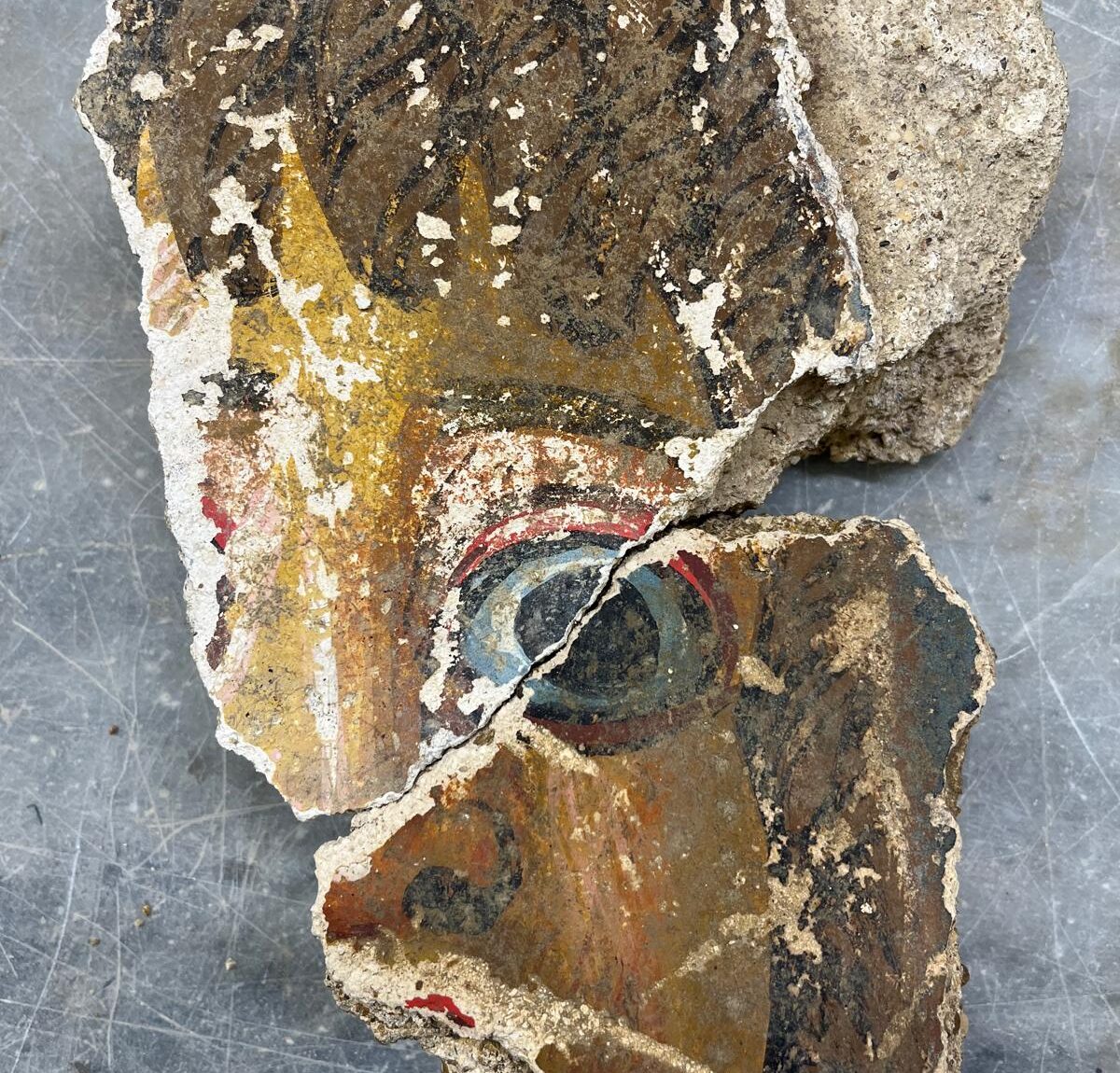
Archaeologists working in the ancient city of Agrigento on the Italian island of Sicily have uncovered colorful Roman frescoes and architectural remains dating back approximately 2,000 years. The discovery was made beside a site where ancient Greek citizens once gathered to debate and make political decisions, revealing another chapter in the city’s long history.
The findings emerged during excavations on San Nicola Hill, within the UNESCO-listed Valley of the Temples Archaeological Park. According to an announcement issued by the Scuola Normale Superiore in Pisa on October 6, 2026, the newly discovered decorative remains date to the first century BCE.
Colorful Frescoes Reveal an Impressive Roman Building
Excavations uncovered fragments of multicolored painted plaster, architectural elements, and decorative stucco. Researchers have linked the frescoes to the Second and Third Styles of Roman wall painting, traditions that used architectural designs, columns, and visual illusions to transform interior spaces.
Professor Gianfranco Adornato, who directs the excavation, explained that the surviving columns and portico remains suggest the presence of an extensive peristyle, a courtyard surrounded by columns.
However, the building’s original purpose remains uncertain. Archaeologists are considering whether the remains belonged to an elaborate Roman residence, known as a domus, or formed part of a monumental colonnaded terrace associated with a nearby Roman temple.
Both possibilities suggest that this area of Agrigento underwent substantial architectural changes during the Roman period.
A Discovery Beside an Ancient Greek Democratic Assembly
One of the most intriguing aspects of the discovery is its location immediately south of the ancient ekklesiasterion, an assembly space where Greek citizens gathered to discuss public affairs and participate in political decision-making.
Known as Akragas in antiquity, Agrigento developed into one of the Mediterranean’s most important Greek cities during the fifth century BCE. Following the expansion of Roman power into Sicily, the city gradually experienced political, cultural, and architectural changes.
The newly uncovered remains could help researchers understand how the area surrounding the former Greek assembly evolved under Roman rule.
A place once associated with civic gatherings may eventually have become part of a different architectural landscape, featuring prestigious residences or monumental public structures.
Centuries of History Beneath San Nicola Hill
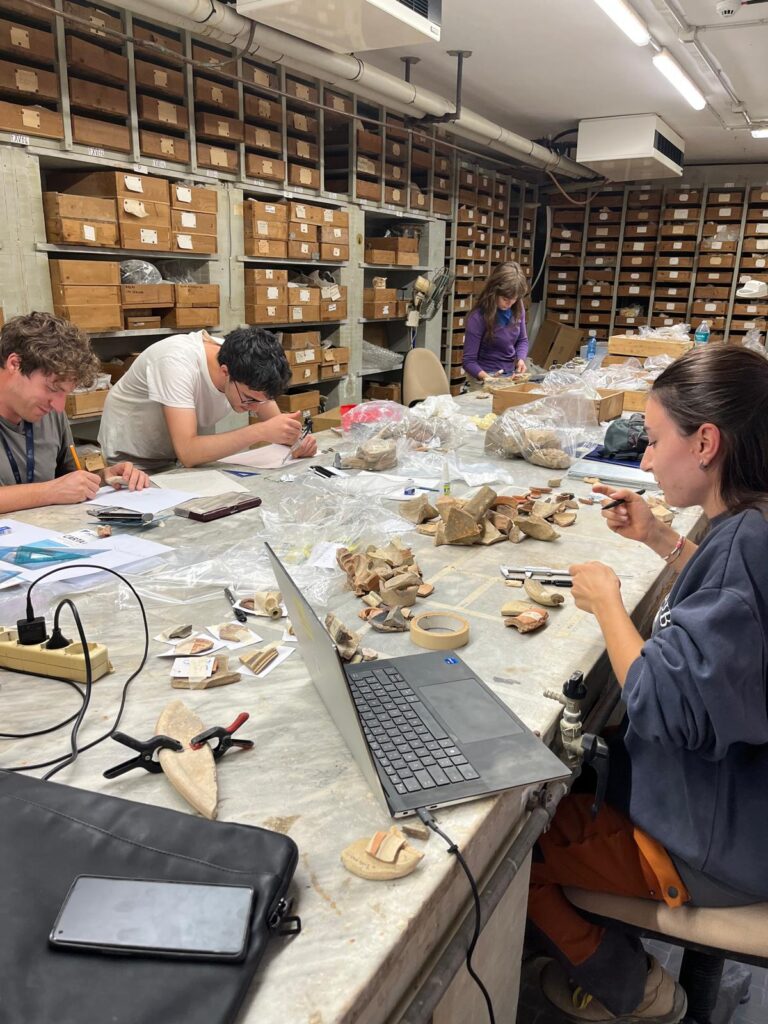
The Scuola Normale Superiore has conducted archaeological research at Agrigento since 2020. The latest investigation represents the university’s third training excavation on San Nicola Hill, an area that preserves evidence of several important phases of the ancient city’s development.
The hill occupied a central position in Akragas and later Agrigentum. Archaeological remains in the surrounding area include the ancient assembly space, a council building, and a theater, reflecting the political and cultural importance of this part of the city.
Researchers have also investigated the remains of an early Christian basilica, demonstrating that the area continued to evolve long after the Roman period.
According to Adornato, San Nicola Hill offers an especially valuable opportunity to examine how Greek civic institutions and urban spaces changed under Roman administration.
The 2026 excavation campaign, which began on September 7 and was scheduled to conclude on October 9, has added new evidence to this developing picture. Although further investigation is needed to establish the precise function of the fresco-decorated building, the discovery provides another glimpse into the transformation of one of Sicily’s most celebrated ancient cities.